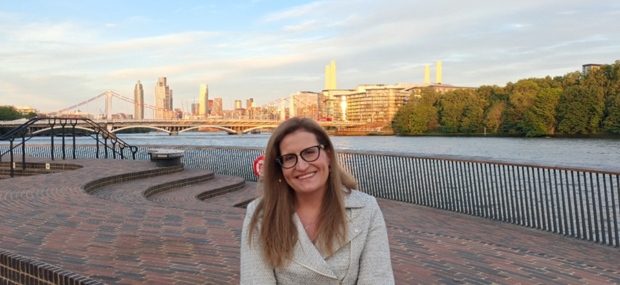
Patricia Cuervo Uría spent years working on flood risk and drainage planning policy and major infrastructure projects both in local government and consultancy before joining the Planning Inspectorate. Here, she reflects on what she found when she arrived – and what she'd say to anyone considering making the same move.
Why Infrastructure?
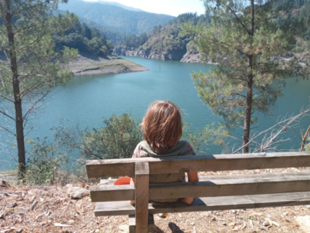
Curiosity about infrastructure started at a very early age, without realising it. During my childhood trips to visit my grandparents, magnificent reservoirs kept playing hide and seek as we rode along sinuous mountain roads. I remember the many questions that popped into my mind about the design, construction and impacts of such feats.
Many years later, and a few thousand miles away, I was a fresh-faced planner working for Kensington and Chelsea when one of the first Nationally Significant Infrastructure Projects (NSIP) landed in the Council. I volunteered to lead it and the Thames Tideway Tunnel became my project for the next six years, from site selection to examination. I remember being starstruck by the professionalism and expertise of the examining authority. The Thames Tideway Tunnel gave me my first real insight into the complexity, scale, local impact and importance of national infrastructure. Twelve years later I feel both fortunate and proud to have been part of such an incredible and positive project for London.
Though my career moved towards policy and strategy, infrastructure was never far away. From responding to the severe London 2021 flooding event to researching international case studies, especially the tragic Valencia 2024 event, I saw first-hand how critical infrastructure is in shaping resilience and recovery.
Why I joined the Planning Inspectorate
Like many things in my career, joining the Planning Inspectorate was not part of a plan; it happened by chance when a friend alerted me to a job vacancy.
As information about life as an inspector is not always easy to find, I thought twice about applying.
If you're in the same position, our inspector recruitment page brings together everything you need to know in one place.
As a person who loves social interaction, I feared isolation. In the end, the intellectual challenge and the opportunity to contribute to meaningful decisions won me over.
People and training
One of the things that stood out to me most when I joined was the people. The Planning Inspectorate is full of genuinely supportive colleagues who are not only welcoming but also open to hearing your views and how things could be improved. There is a strong sense of collaboration and shared learning. The diversity of backgrounds - engineers, planners, lawyers, environmental specialists and more - creates a really rich and stimulating environment, where you are constantly learning from others.
When you join you become part of the new cohort of national infrastructure inspectors who are trained together. Going through the same process together creates a unique sense of camaraderie I never experienced before. They become your constant, your trusted group of colleagues. Having them navigating your very same boat is invaluable and helps to combat isolation.
The training we receive is exceptionally thorough. It covers everything from the legal framework and environmental regulations to the practical skills needed for examinations, such as hearings and report writing. It is intense, there’s no getting away from that, but doing it alongside your cohort makes a big difference. It becomes a shared experience, one where you can ask many questions, learn together and support each other through the process.
I can honestly say I had never experienced that level of structured, role-specific and quality training before in my career. The training also introduced us to highly skilled inspectors and other colleagues who made us feel part of a wider team that will continue to support you as you move into project work.
Projects
One of the most valuable aspects of the role is the ability to focus fully on a single project, rather than being pulled in multiple directions. That focus allows you to properly engage with complex issues, understand the detail behind them, and really do justice to the evidence in front of you.
That said, this depth does not come easily. You read, interrogate and map A LOT of information, often highly technical and spanning multiple disciplines. It requires time, concentration and a willingness to challenge your own assumptions as you build up a complete picture before, during and after the examination. That can feel intense, and even isolating, particularly when you're deep in the material.
But you are never doing it alone. The support from your fellow inspectors, the case team, and specialist colleagues is invaluable. Together, you are managing a complex, high-profile process and working to ensure it is as accessible, fair and thorough as possible for all parties involved.
On an intellectual level these projects give you the opportunity to learn in depth about new topics outside your expertise. It helps you to make connections between topics, giving you a broader view and helping you to become a rounder professional.
What makes it particularly rewarding is the sense of purpose that comes with this level of responsibility. You gain a deep understanding of how different topics interrelate - environmental, technical, social - and how communities, applicants and stakeholders all play a role in shaping infrastructure. It is challenging work, but incredibly rewarding, and it leaves you feeling that you have genuinely contributed to something meaningful.
Values
The Planning Inspectorate places paramount importance on delivering an open, fair and impartial process. I feel that these values are not just statements, they underpin everything we do. They are translated into the care we take in considering and querying all the information submitted by all parties, ensuring every voice is heard, either at hearings or through written representations.
At times, this can give the impression that inspectors are distant. However, this distance reflects impartiality, not a lack of care or empathy.
My advice to anyone thinking of applying
If you're an experienced professional from planning, infrastructure, law, engineering, or a related field, and you're considering what comes next in your career, my honest advice is: don't talk yourself out of it before you've found out more. You may think that your background does not translate but you’ll probably find that it does more than you expect.
What about isolation? I do not want to downplay isolation as it can be detrimental to mental health and job satisfaction. However, there are plenty of opportunities to talk to others, either with the rest of the panel and case team, your cohort, your team, or other inspectors as we organise quarterly knowledge-share sessions and region-based socials regularly. In a way you can choose, to a degree, how isolated you are.
Infrastructure is ever present in the news, is anywhere you go, how you get there and where we get key resources such as energy and water from. It touches the lives of generations and the environment in many different ways. I am learning now the mind-boggling amount, diversity and complexity of the infrastructure projects planned in the UK. Being part of the infrastructure world is a big responsibility, but I feel that it is also a great honour.
The Planning Inspectorate is currently recruiting NSIP examining inspectors at Band 2 and Band 3. If infrastructure is your world, this could be your next chapter.
2 comments
Comment by Graham posted on
This is a great article Patricia and it's really good to hear about your passion for infrastructure, why you chose PINS, and your experiences upon joining. Long may you continue to enjoy your role here.
Comment by Patricia Cuervo Uria posted on
Thanks a lot Graham! I could not have a better start. Thanks for your support!