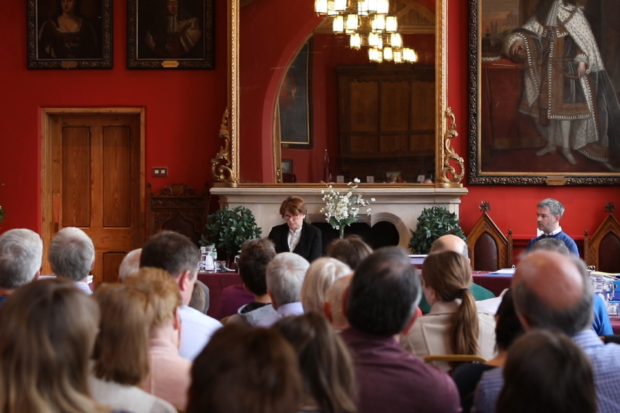
Interim Professional Lead for Appeals, Claire Searson, reflects on a recent webinar into professional conduct at planning inquiries.

The Planning Inspectorate holds around 200 public inquiries into planning proposals per year. These are reserved for the most complex cases which require the formal testing of evidence. They are not courts of law, but the proceedings are similar and follow a ‘quasi-judicial’ process with formal representation from advocates, who are often barristers.
Over the years, the Planning Inspectorate has developed a good working relationship with the Planning and Environmental Bar Association (PEBA), who provide a professional support for practicing barristers as defined by the Bar Council Code of Conduct. PEBA are active in promoting equality and diversity in their profession. As part of wider work towards changing identified unacceptable practice at the Bar, we recently held a joint webinar to specifically discuss elements of good and unacceptable practice at Inquiries.
Alongside Paul Tucker KC (former PEBA Chair), Victoria Hutton (PEBA Equality and Diversity Officer) and ably chaired by Tom Cosgrove KC (PEBA Chair) the 60-minuite session set an overview of the issues, gave thoughts on good practice, the role of the inspector and identified specific areas of concern including handling of witnesses and re-examination. The session also signposted resources for help and assistance to PEBA members.
It was a busy session with around 100 delegates from PEBA and the Inspectorate who were also invited to submit questions to put to the panel.
Public inquiries are an efficient and robust way of helping inspectors make decisions or recommendations. Speaking as an experienced inspector, events can be lengthy and issues can be complex. It is in everyone’s interests to ensure the smooth running of an inquiry at every stage; dealing with interested parties, managing timings, and throughout the formal examination process. At the end of the day, the more time we all have to spend on managing poor behaviour, the less time is dedicated to the specific cases and the evidence, and that is not helpful for anyone.
It was a useful and proactive discission and there is clearly a lot of good practice which PEBA members (and indeed all members of the Bar) and inspectors can and should model.
It certainly challenged my own thoughts in what the Inspectorate can do to support inspectors in managing events. Interestingly there seem to be significant differences in behaviours demonstrated in a court of law, in comparison with an inquiry. This may be perceived as a disincentive to PEBA members considering taking up planning inquiry work.
Fundamentally, barristers must remember the overriding duty is to the inquiry and not the client but it is also crucial that inspectors should intervene and be proactive in dealing with poor behaviour – from anyone - early on, before it escalates.
At the Planning Inspectorate we invest in our inspectors as part of continued professional development and we will continue to do so, picking up points raised at the webinar. I have had a number of inspectors contact me to say they found it useful and took away learning from it. This is excellent to hear.
My thanks goes to all those involved, including those who put questions forward.
Leave a comment